
Ensuring a safe and comfortable sleep environment for our little ones is a top priority for parents. One common consideration in this regard is the use of bed bumpers, also known as bed rails, to prevent children, especially infants and toddlers, from rolling off the bed. However, the question arises: are bed bumpers safe? In this comprehensive guide, we will delve into the safety aspects of bed bumpers, explore the bed rail vs bumper dilemma, and provide valuable safety tips for parents.
Understanding Bed Bumpers

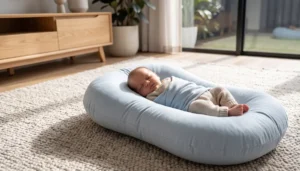
Bed bumpers are soft, cushioned barriers placed along the sides of a bed to prevent a child from accidentally rolling off. They come in various designs and materials, and while they may seem like a practical solution, concerns have been raised regarding their safety.
See our Snoozy monkey travel bed bumper
The Safety Dilemma: Bed Rail vs Bumper
When it comes to ensuring the safety of your child during sleep, the choice between bed rails and bumpers is pivotal. Bed rails are typically more rigid and structured, providing a physical barrier to keep a child securely in bed. On the other hand, bed bumpers are softer and less restrictive, designed to cushion any potential falls.
Bed Bumpers: Are They Safe for Newborns and Toddlers?
The safety of bed bumpers becomes particularly crucial for newborns and young toddlers. While these soft barriers may seem like a comforting solution, there are some inherent risks associated with their use.
1. SIDS Risk
One of the primary concerns associated with bed bumpers is the potential risk of Sudden Infant Death Syndrome (SIDS). Soft, plush materials can obstruct an infant’s airway if they roll against the bumper during sleep. This risk is significantly higher in younger babies who might not have the strength to reposition themselves.
2. Entrapment Hazard
Bed bumpers also pose an entrapment hazard, especially for infants who are starting to roll or move around in their sleep. Improperly secured or oversized bumpers may lead to a baby becoming trapped between the bumper and the mattress, increasing the risk of injury.
3. Overheating Concerns
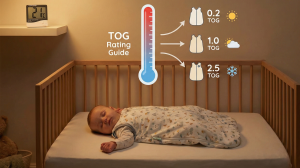
Soft, padded bumpers can contribute to overheating, a known risk factor for SIDS. It’s crucial to monitor the room temperature and choose breathable materials to reduce the risk of your baby getting too hot during sleep.
Bed Rail vs Bumper: Making the Right Choice
While both bed rails and bumpers aim to enhance child safety during sleep, it’s essential to consider the specific needs and risks associated with each option.
1. Bed Rails: Structured Safety
Bed rails offer a more structured and secure barrier against falls. They are recommended for older toddlers who are more mobile and prone to moving around during sleep. Ensure that the bed rail is securely attached to the bed frame to prevent accidental dislodging.
2. Bed Bumpers: Soft Support
Bumpers, with their softer design, are better suited for younger infants who are less mobile. When opting for bed bumpers, choose ones with a firm attachment to the mattress and ensure they are adequately secured. Regularly inspect bumpers for any signs of wear or loosening.
Safety Tips for Parents
In addition to choosing between bed rails and bumpers, there are several general safety tips that parents should consider to create a safe sleep environment for their children.
1. Firm Mattress:
Ensure that your child’s mattress is firm and fits snugly into the crib or bed frame. A firm mattress reduces the risk of suffocation and provides a stable surface for sleep.
2. Remove Soft Bedding:
Keep soft bedding, such as pillows, blankets, and stuffed animals, out of the crib or bed. These items can pose suffocation risks and increase the likelihood of overheating.
3. Monitor Room Temperature:
Maintain a comfortable room temperature for your child’s sleep environment. Overheating is a risk factor for SIDS, so avoid overdressing your child and keep the room well-ventilated.
4. Regular Check-ups:
Regularly inspect the crib, bed, and any safety accessories, such as bed rails or bumpers. Ensure that everything is in good condition and securely attached to prevent accidents.
5. Follow Manufacturer Guidelines:
When using bed bumpers, bed rails, or any other sleep accessories, strictly adhere to the manufacturer’s guidelines. Follow installation instructions carefully and only use products that meet safety standards.
In the bed rail vs bumper debate, the safety of your child should always be the top priority. While bed bumpers may seem like a cozy solution, the associated risks, especially for newborns and young infants, cannot be ignored.
Parents must carefully consider the age and mobility of their child when choosing between bed rails and bumpers, always prioritizing safety above all else.
Additionally, following essential safety tips and guidelines ensures a secure sleep environment, promoting both peaceful sleep and parental peace of mind.